
When planning the design of your bathroom in Dubai, the significance of proper plumbing and electrical setups cannot be overstated. Given the region’s distinctive climate and stringent building codes, ensuring that your bathroom’s infrastructure is up to par is not just about comfort but a necessity. This approach has proven its value, as seen in the data where the conversion rate for sound plumbing & electrical tips ranges from 5-10%. Achieving efficiency in your bathroom’s functionality directly impacts both the usability and safety of your living space, making it crucial to get it right from the start.
What Kind of Plumbing is Needed for a Bathroom?
Table of Contents
Importance of Effective Plumbing in Dubai Bathrooms
Due to Dubai’s unique climate, bathrooms must have plumbing that can withstand high temperatures and humidity. A good plumbing system keeps the water supply running and ensures drainage pipes don’t clog or leak. This is especially important in Dubai, where regulations enforce high-quality construction standards. Without reliable plumbing, you could face costly repairs and inconvenience from water damage.
Different Plumbing Systems and Their Role
Dubai-style bathrooms use two primary plumbing systems: the water supply and drainage. The water supply system delivers clean water to sinks, showers, and toilets. To maintain constant pressure and prevent leaks, it must be well-constructed.
Meanwhile, the drainage system removes wastewater from the bathroom through pipes that connect to the city’s sewer network. This system must remain free of blockages to avoid flooding and unpleasant odors. Both systems work together to create a safe, hygienic bathroom environment.
Common Plumbing Fittings Needed
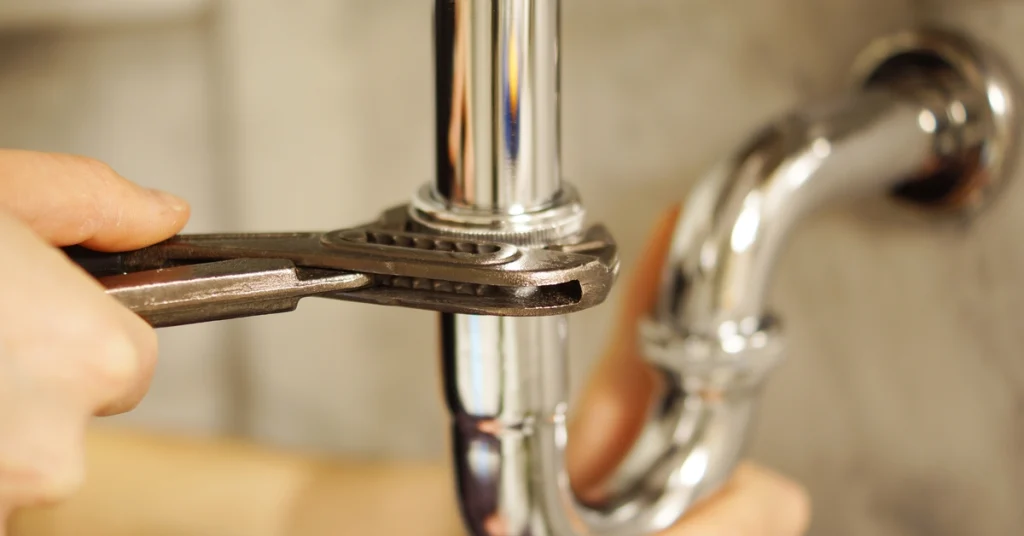
In any bathroom plumbing layout, several key fittings are needed to connect fixtures to water and drainage lines. For instance, faucets and showerheads must valves to control water flow, while P-traps under sinks prevent sewer gases from entering the bathroom. Toilet plumbing relies on strong fittings to seal the base to the drainpipe, minimizing leakage and ensuring smooth flushing.
Selecting high-quality fittings is crucial for preventing future issues, and accurate installation plays a key role in maintaining bathroom plumbing efficiency. Every component, whether it’s a faucet or a pipe joint, must be sealed to prevent leaks. This attention to detail ensures your Dubai bathroom’s plumbing will function for years to come.
Analyzing a Bathroom Plumbing Diagram
The Structure of a Basic Bathroom Plumbing Layout Drawing
A basic bathroom plumbing layout drawing provides a visual guide to the network of pipes and fixtures needed for efficient water supply and drainage. These drawings help us understand how each element is connected. Freshwater pipes bring clean water to sinks, showers, and toilets, while drain pipes lead wastewater away to the main sewer line. Valves control water flow, and traps prevent foul odors from leaking back into the bathroom. By studying these drawings, one can see where each fixture fits in the system, helping to plan a well-structured and functional bathroom.
Bathroom Plumbing Diagram with Shower Explained
A plumbing diagram with a shower adds another layer to the complexity of the layout. The water supply pipes are usually extended to the shower area, where mixing valves regulate hot and cold water flow. The shower head is connected to this valve, while the drain is designed to handle water from both the shower and the bathroom floor. A vent stack near the shower ensures smooth drainage by allowing air to flow in and prevent vacuum pressure, which could hinder the draining process. Understanding this setup is crucial for effective bathroom design and maintenance.
Deciphering a Small Bathroom Plumbing Diagram
A small bathroom plumbing diagram focuses on maximizing the use of limited space while ensuring every fixture is connected. In tight layouts, fixtures like toilets, sinks, and showers share supply and drainage pipes to cut pipe length and reduce costs. These compact designs must planned to ensure there are no clogs or leaks. The toilet, for instance, may need to be placed over a large drainpipe to prevent issues. Thus, analyzing a plumbing diagram for a small bathroom helps visualize the flow and ensures proper installation without unnecessary complications.
How Many Drain Pipes for a Bathroom?
Understanding the Role of Each Drain Pipe
Every drain pipe in a bathroom has a specific purpose that ensures smooth water flow and prevents backups. The sink, toilet, shower, and tub each connect to their drainage pipes. The sink’s drain carries wastewater through a P-trap to block odors. The toilet drain is wider and connects to the main sewer line for efficient waste removal. Meanwhile, the shower and tub drains also use traps to prevent sewer gas from escaping into the bathroom. Each drain pipe needs to be connected to maintain a functioning plumbing system.
Ideal Pipe Layouts and Arrangements
An ideal bathroom pipe layout is crucial for preventing clogs and leaks. Plumbers often arrange pipes in a way that minimizes the distance wastewater needs to travel, reducing the chances of backups. Drain pipes are positioned at a slight downward slope to ensure gravity aids the flow of water toward the main sewer line. Vent pipes are placed to allow air to enter, preventing negative pressure that could hinder drainage.
Grouping fixtures close together also simplifies the plumbing layout, particularly in small bathrooms. For example, a sink drain can share a vent pipe with the shower or tub, minimizing the number of pipes required. By arranging pipes and following these plumbing & electrical tips, and bathrooms can avoid common drainage issues.
Planning Your Toilet Plumbing Layout Plan
Key Components in a Toilet Shaft Plan
A toilet shaft plan is essential for setting up an efficient plumbing system. The plan details the connections required to ensure smooth water flow and waste disposal. The primary components include the toilet flange, a circular fitting that attaches to the drain pipe and anchors the toilet. This ensures that wastewater is channeled directly into the sewage system.
Next, the vent pipe is crucial in maintaining proper air pressure within the drainage system, preventing clogs, and promoting consistent flow. The toilet supply line, connected to the wall, provides clean water through a valve, controlling water flow into the tank. These components need to be precisely located within the shaft plan to guarantee the toilet functions correctly.
Importance of Proper Rough-In Plumbing
Rough-in plumbing refers to the initial stage of setting up pipes before walls are closed and fixtures are installed. In toilet plumbing, this step is vital because any errors can lead to costly adjustments later. The rough-in sets the exact locations for pipes and fittings to ensure a smooth installation.
The toilet flange must align perfectly with the floor drain to prevent leaks and keep the toilet stable. Also, the supply line and vent pipe need accurate placement to avoid interference with other fixtures. By following professional plumbing & electrical tips, a carefully planned rough-in helps avoid issues like water leakage or inconsistent flushing. This foundation ensures your toilet’s plumbing is efficient, reliable, and ready for long-term use.
Plumbing & Electrical Tips for Dubai Bathrooms
Implementing Effective Maintenance Practices
Maintaining plumbing and electrical systems in Dubai bathrooms requires proactive care. Regularly inspect pipes for leaks or rust, as Dubai’s high temperatures can accelerate wear. Clean drains often to prevent blockages, and pour hot water down the pipes weekly to flush out potential clogs. For electrical systems, check for faulty wiring and ensure that outlets near water sources have ground fault circuit interrupters (GFCI) for safety.
Avoiding Common Plumbing Pitfalls
Common plumbing issues can be easily prevented with some basic precautions. Avoid flushing non-biodegradable items down the toilet, as they can clog drains and cause backups. Use mesh screens on drains to trap hair and debris. When installing new fixtures, ensure all fittings are properly sealed to prevent leaks. These plumbing & electrical tips will help keep your bathroom running smoothly.
Final Electrical & Plumbing Tips
For a safe bathroom, always consult professionals for electrical installations. Double-check that all fixtures are properly grounded and have the right voltage capacity. Invest in surge protectors to guard against power fluctuations, and avoid overloading outlets.
Lastly, plan your bathroom layout thoughtfully. Group fixtures close together to reduce pipe length and streamline drainage. These plumbing & electrical tips will help ensure your Dubai bathroom is efficient, functional, and safe.
Call-to-Action
If you need help designing or maintaining the plumbing and electrical systems in your Dubai bathroom, consider seeking professional assistance. Experts can provide tailored advice to ensure your bathroom meets safety standards and functions efficiently. Don’t hesitate to reach out for a consultation or professional service to ensure your bathroom’s plumbing and electrical layouts are optimized for your specific needs. With the right support, you can have peace of mind knowing that your bathroom is in good hands.
Conclusion
Proper planning and careful maintenance of plumbing and electrical systems in Dubai bathrooms can save significant time, cost, and inconvenience. By understanding the essential components of bathroom plumbing diagrams, arranging drain pipes correctly, and crafting precise toilet plumbing layouts, you establish a foundation for efficient water flow and waste management. Effective maintenance practices, like weekly inspections for leaks and flushing drains, can help avoid common plumbing issues.
In terms of electrical safety, always rely on professional installations, double-check grounding, and ensure proper voltage capacities. Follow these tips to ensure your bathroom’s longevity and functionality, as well as maintain regulatory compliance and enhance safety. Investing time in correct installation and regular upkeep will pay off by offering a bathroom experience that’s hassle-free and comfortable.


 English
 العربية