
Drainage systems are essential for managing water flow and preventing water damage in various environments. Whether it’s for residential, commercial, or industrial properties, choosing the right drainage system can make a significant difference in maintaining the integrity of the landscape and infrastructure. Different types of drainage systems are designed to handle specific water management needs, each with its unique features and benefits.
Understanding the various types of drainage systems can help you make an informed decision that best suits your requirements. From trench drains to sump pumps, each system has its own set of applications and advantages. This guide will explore ten common types of drainage systems, providing insights into their appearance, uses, functions, and benefits. By the end, you’ll have a clearer picture of which drainage system might be the best fit for your needs.
1. Trench Drains
Table of Contents
Appearance
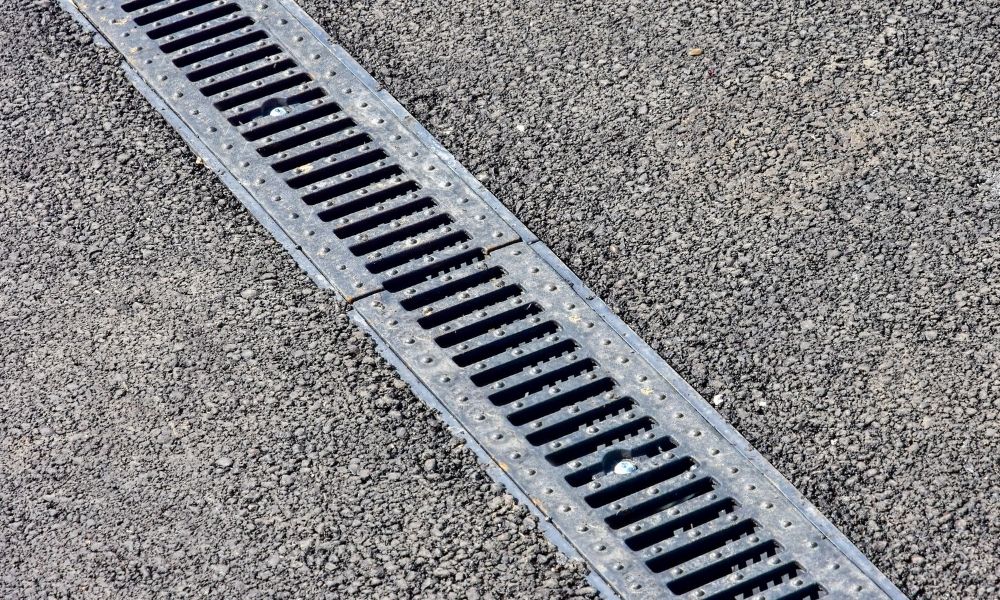
Trench drains are long, narrow channels often made of concrete, polymer, or metal. They typically have a grated cover that sits flush with the surface, allowing water to flow into the channel while keeping debris out. The grates can vary in design, ranging from simple slotted patterns to more decorative styles that blend with the surrounding area. The trench itself is usually shallow but wide enough to capture a significant amount of water.
Where is it used?
Trench drains are versatile and can be used in various settings. They are commonly found in:
- Driveways and parking lots
- Pool decks
- Patios and gardens
- Commercial properties
- Industrial sites
These drains are ideal for areas where water needs to be efficiently diverted away from surfaces to prevent pooling and flooding.
What They Do?
Trench drains are designed to collect and channel surface water away from specific areas. When it rains, water flows over the grated surface and into the trench below. The water is then directed to a designated drainage outlet, such as a storm sewer or a natural waterway. This process helps manage large volumes of runoff, keeping surfaces dry and safe.
Benefits of Trench Drains
1. Efficient Water Management
Trench drains are highly effective at managing surface water, preventing flooding and water damage in both residential and commercial settings.
2. Versatility
These drains can be installed in various locations, from driveways to industrial sites, making them a versatile solution for different drainage needs.
3. Aesthetic Appeal
With a range of great designs available, trench drains can be both functional and visually appealing. They can be integrated seamlessly into the landscape or architectural design.
4. Durability
Constructed from robust materials like concrete, polymer, and metal, trench drains are built to withstand heavy use and harsh weather conditions, ensuring long-lasting performance.
5. Safety
By efficiently removing water from surfaces, trench drains help reduce the risk of slips and falls, enhancing safety for pedestrians and vehicles.
2. Swales
Appearance
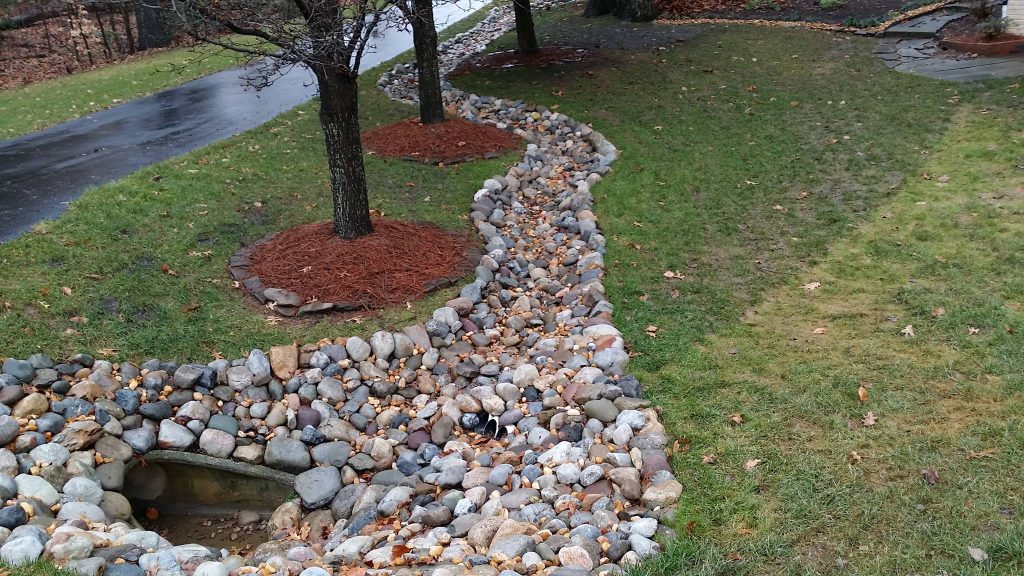
Swales are shallow, vegetated channels designed to manage water runoff. They often resemble natural ditches or depressions and are typically lined with grass or other vegetation. Swales can vary in width and depth but generally have gently sloping sides to facilitate water flow. The vegetation not only helps stabilize the soil but also aids in filtering pollutants from the runoff.
Where is it used?
Swales are commonly used in various settings to manage stormwater and enhance landscape aesthetics. Typical applications include:
- Residential yards
- Urban green spaces
- Roadside areas
- Agricultural fields
- Parks and recreational areas
They are particularly effective in areas where natural drainage is needed and where enhancing the environment with green spaces is desired.
What They Do?
Swales function by slowing down and directing surface water runoff. When it rains, water flows into the swale, where it is temporarily held. The vegetation within the swale helps absorb and filter the water, reducing pollutants and allowing for some water infiltration into the ground. Excess water is gradually conveyed to a drainage outlet or natural water body, preventing erosion and flooding.
Benefits of Swales
1. Natural Filtration
Swales filter pollutants and sediments from runoff through vegetation, improving water quality before they reach larger bodies of water.
2. Erosion Control
By slowing down water flow, swales help prevent soil erosion, protect the landscape, and maintain soil integrity.
3. Groundwater Recharge
Swales promote water infiltration into the ground, helping to recharge groundwater supplies and support local ecosystems.
4. Aesthetic Appeal
Incorporating swales into landscaping adds a natural, green element that enhances the visual appeal of the area while providing functional benefits.
5. Cost-Effective
Swales are relatively low-cost to install and maintain compared to other drainage systems, making them a budget-friendly option for managing stormwater.
6. Flood Prevention
By directing and controlling runoff, swales help mitigate flooding risks, protecting properties and infrastructure from water damage.
3. French Drains
Appearance
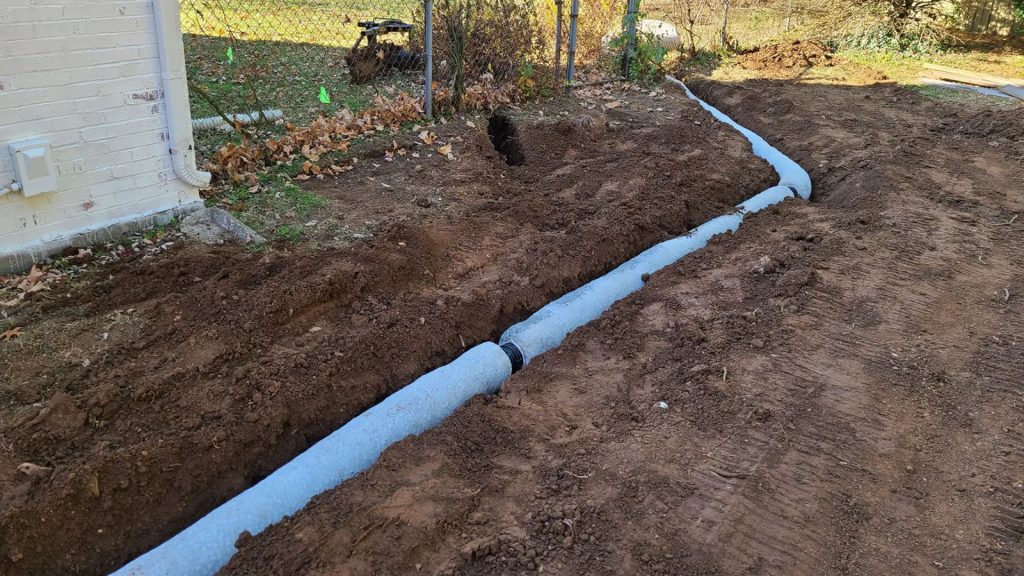
French drains are simple yet effective drainage systems. They typically consist of a trench filled with gravel or rock. Inside the trench, a perforated pipe is laid to facilitate water flow. The top of the trench is often covered with landscape fabric to prevent soil from clogging the gravel. The surface can be left as gravel or covered with sod or other ground cover to blend with the surrounding landscape.
Where is it used?
French drains are versatile and can be used in various settings, including:
- Residential yards
- Foundations of homes
- Basements
- Gardens
- Sports fields
- Driveways
They are especially useful in areas prone to water pooling or where water needs to be redirected away from structures.
What They Do?
French drains work by collecting and redirecting groundwater and surface water. Water enters the trench through the surface and flows into the perforated pipe. The pipe then channels the water away from the problem area, directing it to a safe discharge point like a storm drain, a dry well, or a low-lying area. This process helps prevent water from accumulating and causing damage.
Benefits of French Drains
1. Effective Water Diversion
French drains efficiently redirect water away from problem areas, helping to prevent flooding and water damage to structures.
2. Versatile Applications
These drains can be installed in various locations, from residential yards to commercial properties, making them a versatile solution for different drainage needs.
3. Simple Installation
The design and installation of French drains are straightforward, making them a cost-effective drainage solution. They can be installed relatively quickly and require minimal maintenance.
4. Prevents Soil Erosion
By controlling the flow of water, French drains help reduce soil erosion, protect landscapes, and maintain the stability of the ground.
5. Reduces Hydrostatic Pressure
Installing French drains around foundations and basements can reduce hydrostatic pressure, which helps prevent water seepage and potential structural damage.
6. Enhances Landscape Aesthetics
When covered with sod or decorative gravel, French drains can blend seamlessly into the landscape, providing effective drainage without detracting from the visual appeal of the area.
4. Dry Wells
Appearance
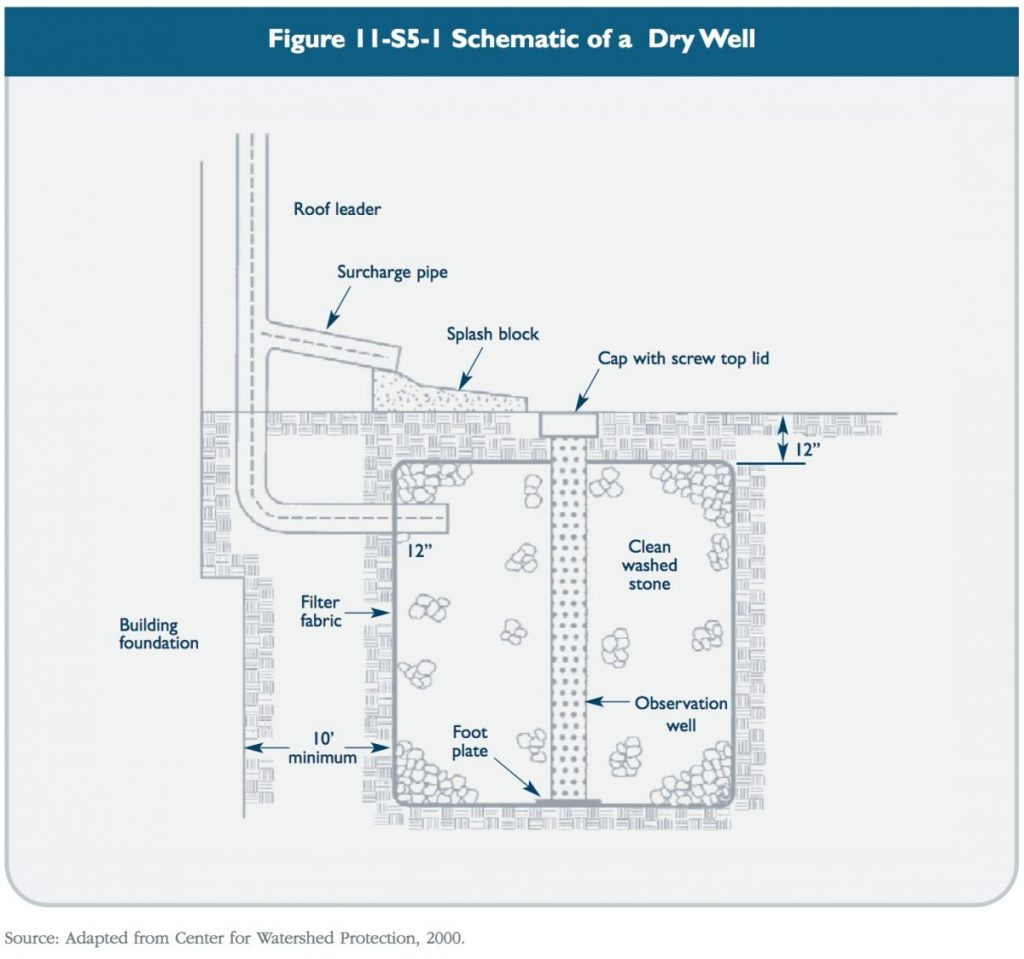
Dry wells are underground structures that help manage storm water runoff. They are typically cylindrical or rectangular chambers made of plastic, concrete, or stone. The walls of the dry well are perforated to allow water to seep into the surrounding soil. The top of the dry well is usually covered with a solid or grated lid to prevent debris from entering. When installed, dry wells are often hidden from view, blending seamlessly with the landscape.
Where is it used?
Dry wells are versatile and can be used in a variety of settings, including:
- Residential yards
- Gardens and landscaped areas
- Driveways
- Roof downspouts
- Commercial properties
- Industrial sites
They are especially useful in areas where soil drainage is poor or where water needs to be redirected from structures and paved surfaces.
What They Do?
Dry wells collect and temporarily store stormwater runoff, allowing it to infiltrate the surrounding soil slowly. When it rains, water is directed into the dry well through pipes or surface inlets. The water then gradually percolates through the perforated walls and into the ground. This process helps manage excess water, reducing the risk of flooding and erosion.
Benefits of Dry Wells
1. Efficient Water Management
Dry wells effectively manage stormwater by capturing and slowly releasing it into the soil, reducing surface runoff and preventing water pooling.
2. Groundwater Recharge
By allowing water to infiltrate into the ground, dry wells help replenish groundwater supplies, supporting local water tables and ecosystems.
3. Cost-Effective Solution
Dry wells are relatively inexpensive to install and maintain, making them a cost-effective option for managing stormwater runoff in various settings.
4. Reduces Flooding
By capturing and storing excess water, dry wells help mitigate flooding risks, protecting properties and infrastructure from water damage.
5. Enhances Landscape Aesthetics
Since dry wells are installed underground, they do not interfere with the visual appeal of the landscape, allowing for a seamless and attractive environment.
6. Improves Soil Health
The gradual infiltration of water into the soil helps maintain soil moisture levels, promoting healthy plant growth and preventing soil erosion.
5. Sump Pumps
Appearance
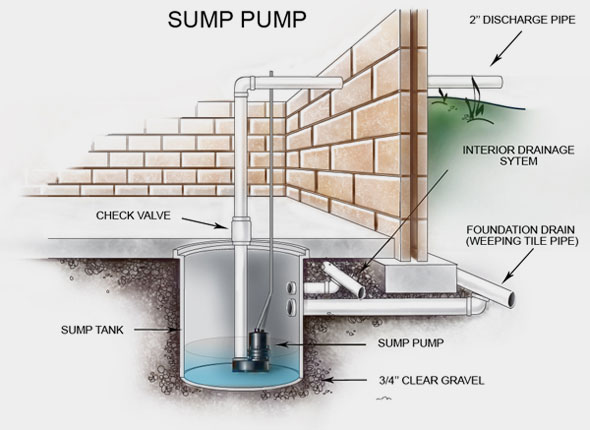
Sump pumps are typically installed in a pit or basin dug into the lowest part of a basement or crawlspace. The pump itself is often cylindrical or pedestal-shaped, with an electric motor and impeller housed inside. A pipe connects the pump to the outside of the home or building, allowing water to be pumped away from the foundation.
Where is it used?
Sump pumps are essential in properties prone to basement flooding or where groundwater infiltration is a concern. They are commonly found in:
- Residential basements
- Commercial buildings
- Hospitals and schools
- Industrial facilities
They are crucial in areas with high water tables or heavy rainfall, helping to keep indoor spaces dry and free from water damage.
What They Do?
Sump pumps operate automatically to remove excess water that accumulates in the sump pit. When groundwater or rainwater fills the pit to a certain level, the pump activates. The impeller spins, forcing water through the pipe and away from the building. This continuous process helps prevent water from seeping into the basement or crawlspace, keeping the area dry and reducing the risk of mold and structural damage.
Benefits of Sump Pumps
1. Prevents Basement Flooding
Sump pumps are highly effective at preventing basement flooding by quickly removing excess water before it can cause damage.
2. Protects Property and Belongings
By keeping basements and lower levels dry, sump pumps help protect valuable belongings, electrical systems, and structural integrity from water damage.
3. Reduces Mold and Mildew
Removing excess moisture with a sump pump helps reduce the growth of mold and mildew, creating a healthier indoor environment.
4. Enhances Property Value
Homes and buildings equipped with sump pumps have enhanced property value and appeal, especially in flood-prone areas.
5. Automatic Operation
Sump pumps operate automatically, activating when water levels rise, which ensures continuous protection even when occupants are away.
6. Provides Peace of Mind
Having a sump pump installed provides peace of mind, knowing that your property is protected from potential water damage, even during heavy rainfall or flooding events.
6. Slope Drains

Appearance
Slope drains, also known as channel drains or surface drains, are shallow linear structures with a slight gradient. They typically feature a grated or open surface that allows water to flow into the drain channel. The channels themselves can vary in width and depth, depending on the volume of water they need to manage. They are often made of materials like concrete, polymer, or metal to withstand outdoor conditions.
Where is it used?
Slope drains are commonly used in various outdoor settings where surface water runoff needs to be efficiently managed. They are found in:
- Driveways and parking lots
- Walkways and pedestrian areas
- Sports fields and stadiums
- Roadways and highways
- Commercial and industrial sites
These drains are essential in areas prone to heavy rainfall or where water needs to be quickly diverted to prevent flooding and water damage.
What They Do?
Slope drains work by collecting and channelling surface water runoff away from vulnerable areas. When it rains or when there is excess water on the surface, it flows into the drain channel through the grate or open top. The gradient of the drain allows water to flow naturally towards a designated outlet, such as a storm sewer, retention pond, or another drainage system. This process helps prevent water accumulation and reduces the risk of erosion and structural damage.
Benefits of Slope Drains
1. Efficient Water Removal
Slope drains efficiently remove surface water, preventing puddles and standing water that can create safety hazards and damage surfaces.
2. Versatility
They can be installed in various locations and settings, providing versatile solutions for managing water runoff in different environments.
3. Low Maintenance
Slope drains require minimal maintenance once installed. Regular cleaning of the grates and ensuring the channel remains clear of debris is typically all that’s needed.
4. Prevents Erosion
By directing water away from vulnerable areas, slope drains help prevent soil erosion, preserving the integrity of landscapes and paved surfaces.
5. Enhances Safety
Reducing standing water improves safety by minimizing the risk of slips, falls, and hydroplaning, especially on driveways, walkways, and sports fields.
6. Aesthetic Appeal
With various grate designs and materials available, slope drains can be aesthetically pleasing while effectively managing water runoff.
7. Downspout And Gutter Systems
Appearance
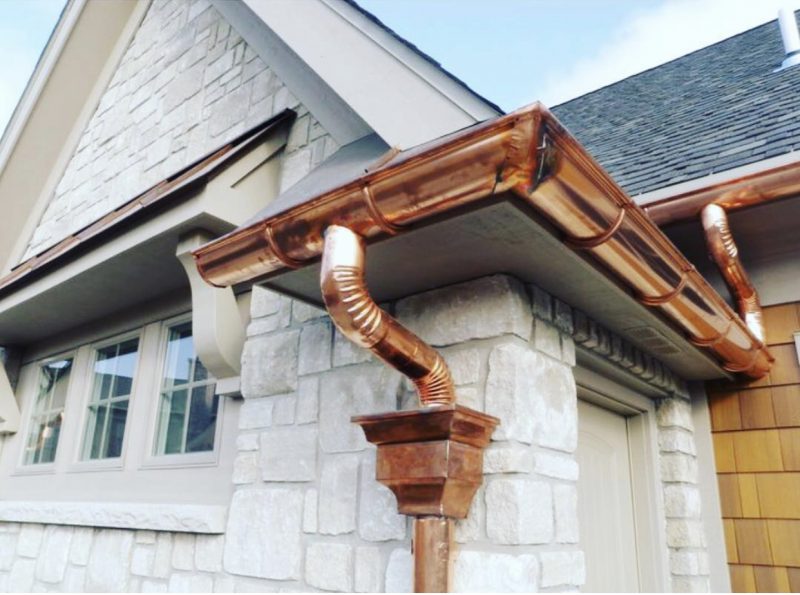
Downspout and gutter systems consist of gutters installed along the edges of roofs, typically made of metal, vinyl, or other durable materials. These gutters are connected to downspouts and vertical pipes that extend from the gutters down to ground level. The downspouts can have various shapes and sizes, depending on the amount of water they need to handle.
Where is it used?
These systems are commonly used in residential, commercial, and industrial buildings to manage rainwater runoff from roofs. They are found in:
- Homes
- Office buildings
- Schools
- Shopping centres
- Warehouses
Downspout and gutter systems are crucial in areas with significant rainfall to prevent water from accumulating on roofs and causing damage.
What They Do?
Downspout and gutter systems collect rainwater from the roof and direct it away from the building’s foundation. When it rains, water flows into the gutters and travels along them to the downspouts. The downspouts then carry the water down to the ground level and deposit it safely away from the building. This prevents water from pooling near the foundation, which could lead to basement flooding, soil erosion, and structural damage over time.
Benefits of Downspout And Gutter Systems
1. Protects Foundation
By directing rainwater away from the foundation, these systems prevent water from seeping into basements or crawl spaces, reducing the risk of water damage.
2. Prevents Erosion
Gutters and downspouts help control the flow of water, preventing soil erosion around the building’s perimeter and preserving landscaping.
3. Extends Roof Lifespan
By keeping water from accumulating on the roof, gutter systems help prolong the lifespan of roofing materials by reducing exposure to moisture.
4. Prevents Mold and Mildew
Properly functioning gutters and downspouts reduce moisture around the building, minimizing the growth of mold and mildew inside and outside.
5. Enhances Curb Appeal
Well-maintained gutter systems contribute to the overall appearance of a building by preventing streaks on siding and keeping exterior surfaces clean.
6. Easy Maintenance
Regular cleaning and inspection of gutters and downspouts are essential but relatively simple tasks that help maintain their effectiveness.
8. Catch Basins
Appearance
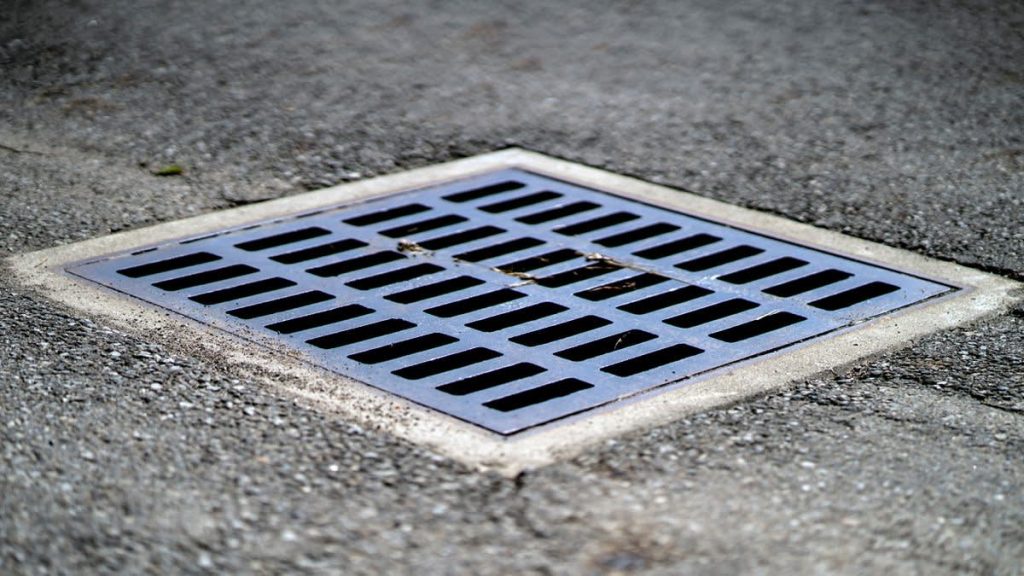
Catch basins are underground structures typically made of concrete or plastic. They have a grate on top to capture surface water runoff and debris. Inside, there is a sump or basin where sediment and debris settle while water exits through an outlet pipe. The grates come in various designs and sizes to accommodate different flow rates and aesthetics.
Where is it used?
Catch basins are commonly used in outdoor areas where surface water needs to be managed efficiently. They are found in:
- Parking lots
- Roadways
- Sidewalks
- Driveways
- Residential yards
- Commercial properties
They are essential in areas prone to flooding or where water pooling can create safety hazards.
What They Do?
Catch basins collect and detain surface water runoff, preventing it from accumulating and causing flooding. When it rains, water flows through the grates into the basin, where sediment and debris settle. The water then exits through the outlet pipe, which directs it to a storm sewer system, retention pond, or other drainage system. This process helps maintain clean and functional surfaces while reducing the risk of erosion and water damage.
Benefits of Catch Basins
1. Prevents Flooding
Catch basins effectively capture and control surface water, preventing it from pooling and causing flooding in surrounding areas.
2. Removes Debris
The grates on catch basins capture debris like leaves, twigs, and trash, preventing them from clogging downstream drainage systems.
3. Reduces Maintenance
By capturing sediment and debris, catch basins reduce the need for frequent maintenance of downstream drainage infrastructure.
4. Enhances Safety
Reducing standing water improves safety by minimizing the risk of slips, falls, and vehicle accidents, especially in high-traffic areas.
5. Improves Water Quality
By filtering out sediment and pollutants, catch basins help improve water quality before it enters larger bodies of water or groundwater systems.
6. Aesthetic Appeal
Catch basins can be designed to blend with their surroundings, contributing to the overall aesthetics of the landscape while providing functional drainage.
9. Point Drains
Appearance
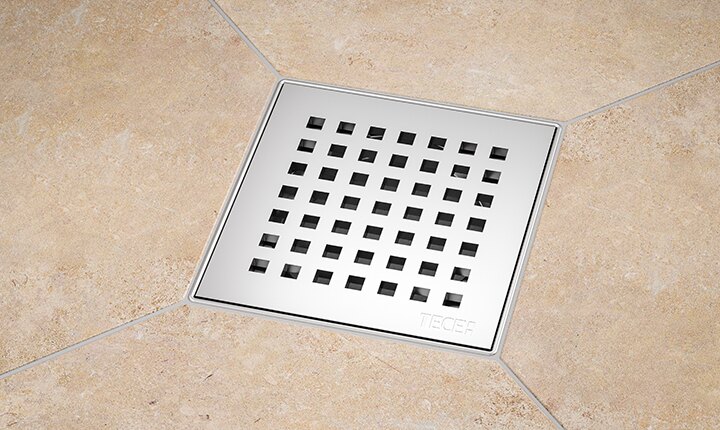
Point drains, also known as surface drains, are small, circular or square grates installed flush with the ground surface. They are connected to pipes that collect water and direct it away from the area. The grates are typically made of metal or plastic and can be customized to blend with the surrounding landscape.
Where is it used?
Point drains are commonly used in various outdoor areas where water needs to be efficiently removed from the surface. They are found in:
- Patios and pool decks
- Courtyards and gardens
- Sports fields and playgrounds
- Driveways and walkways
- Commercial plazas and parking lots
Point drains are essential in locations where standing water can pose safety hazards or damage surfaces.
What They Do?
Point drains function by capturing water that collects on the surface and directing it into underground pipes. When it rains or water accumulates, it flows into the grate of the point drain. The water then travels through the pipe system, which carries it to a drainage outlet such as a storm sewer, retention pond, or another suitable location. This process helps prevent water buildup and reduces the risk of erosion and structural damage to surrounding surfaces.
Benefits of Surface Drains
1. Efficient Water Removal
Surface drains effectively remove standing water from flat or sloped surfaces, preventing puddles and maintaining dry, safe environments.
2. Prevents Slippery Surfaces
By removing water quickly, surface drains minimize the risk of slips and falls, making them ideal for high-traffic areas and recreational spaces.
3. Protects Landscaping
By preventing water accumulation, surface drains help protect plants, grass, and landscaping features from drowning and soil erosion.
4. Enhances Safety
Reducing standing water improves safety for pedestrians, vehicles, and outdoor activities by providing dry, stable surfaces.
5. Easy Installation and Maintenance
Surface drains are relatively easy to install and require minimal maintenance, ensuring long-term functionality with regular cleaning of the grates.
6. Aesthetic Appeal
With discreet grates that can be customized to match the surroundings, surface drains contribute to the overall aesthetics of the landscape.
10. Slot Drain
Appearance
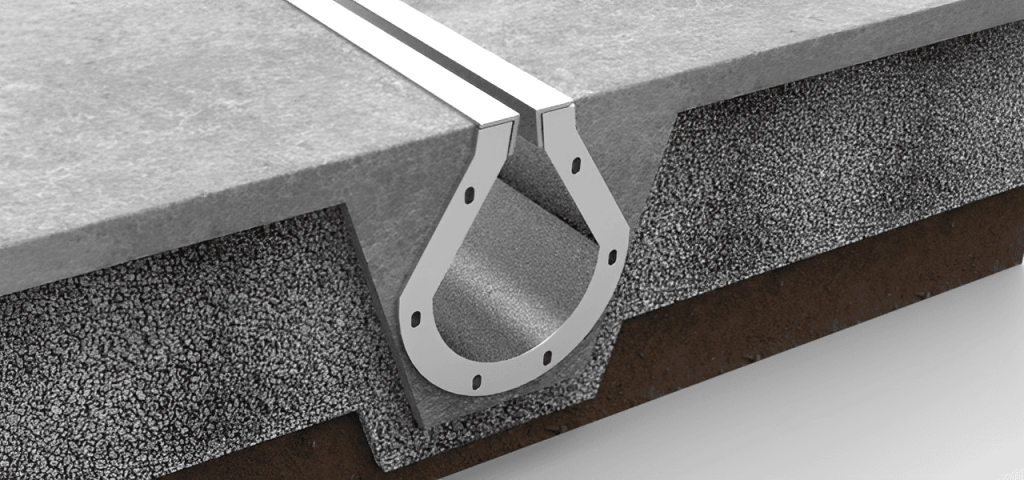
Slot drains are linear drainage channels with a narrow, elongated slot or grate on top. They are typically made of durable materials like stainless steel, concrete, or polymer. The slot is designed to be discreet and can blend seamlessly with various surfaces, including concrete, stone, or tile.
Where is it used?
Slot drains are commonly used in commercial and industrial settings where efficient drainage is crucial. They are found in:
- Manufacturing facilities
- Food and beverage processing plants
- Commercial kitchens
- Pool decks and water parks
- Public plazas and pedestrian areas
Slot drains are ideal for areas requiring high-capacity drainage and where hygiene and safety standards are paramount.
What They Do?
Slot drains function by collecting surface water through the narrow slot or grate. Water flows into the channel, which is connected to an underground pipe system. The pipe then carries the water away to a suitable drainage outlet, such as a storm sewer or retention pond. This process effectively removes water from the surface, preventing puddles and reducing the risk of slip hazards.
Benefits of Slot Drain
1. High Capacity Drainage
Slot drains can handle large volumes of water efficiently, making them suitable for heavy-duty applications and areas prone to flooding.
2. Hygienic and Easy to Clean
The smooth, continuous surface of slot drains minimizes the buildup of debris and bacteria, making them easy to clean and maintain.
3. Durable and Long-lasting
Constructed from robust materials, slot drains are durable and resistant to corrosion, ensuring longevity even in demanding environments.
4. Enhances Aesthetic Appeal
The sleek and discreet design of slot drains enhances the aesthetic appeal of outdoor and indoor spaces without compromising functionality.
5. Reduces Maintenance Costs
With minimal maintenance required, slot drains offer cost-effective drainage solutions over the long term, saving time and resources.
6. Improves Safety
By swiftly removing water from surfaces, slot drains enhance safety by reducing the risk of slips and falls, particularly in high-traffic areas.
Final Thoughts
Choosing the right drainage system for your needs is essential to protect your property and ensure efficient water management. Each type of drainage system—from trench drains to slot drains—offers unique advantages depending on where and how it’s used. Consider factors like the local climate, terrain, and the specific drainage requirements of your property.
Trench drains are ideal for large surface areas like driveways and parking lots, while French drains excel in redirecting groundwater away from foundations. Swales provide natural filtration and are perfect for landscaping, whereas sump pumps are crucial in basements prone to flooding. Each system plays a critical role in preventing water damage and maintaining a safe environment.
By understanding the capabilities and benefits of each drainage system, you can make an informed decision that ensures effective water drainage and protects your property from potential water-related issues.
Need to Professional Drainage Cleaning Services?
Contact Now!


 English
 العربية